AI to Pick Lottery Numbers Exploring Artificial Intelligence and Lottery Predictions
29 September 2026 | 161
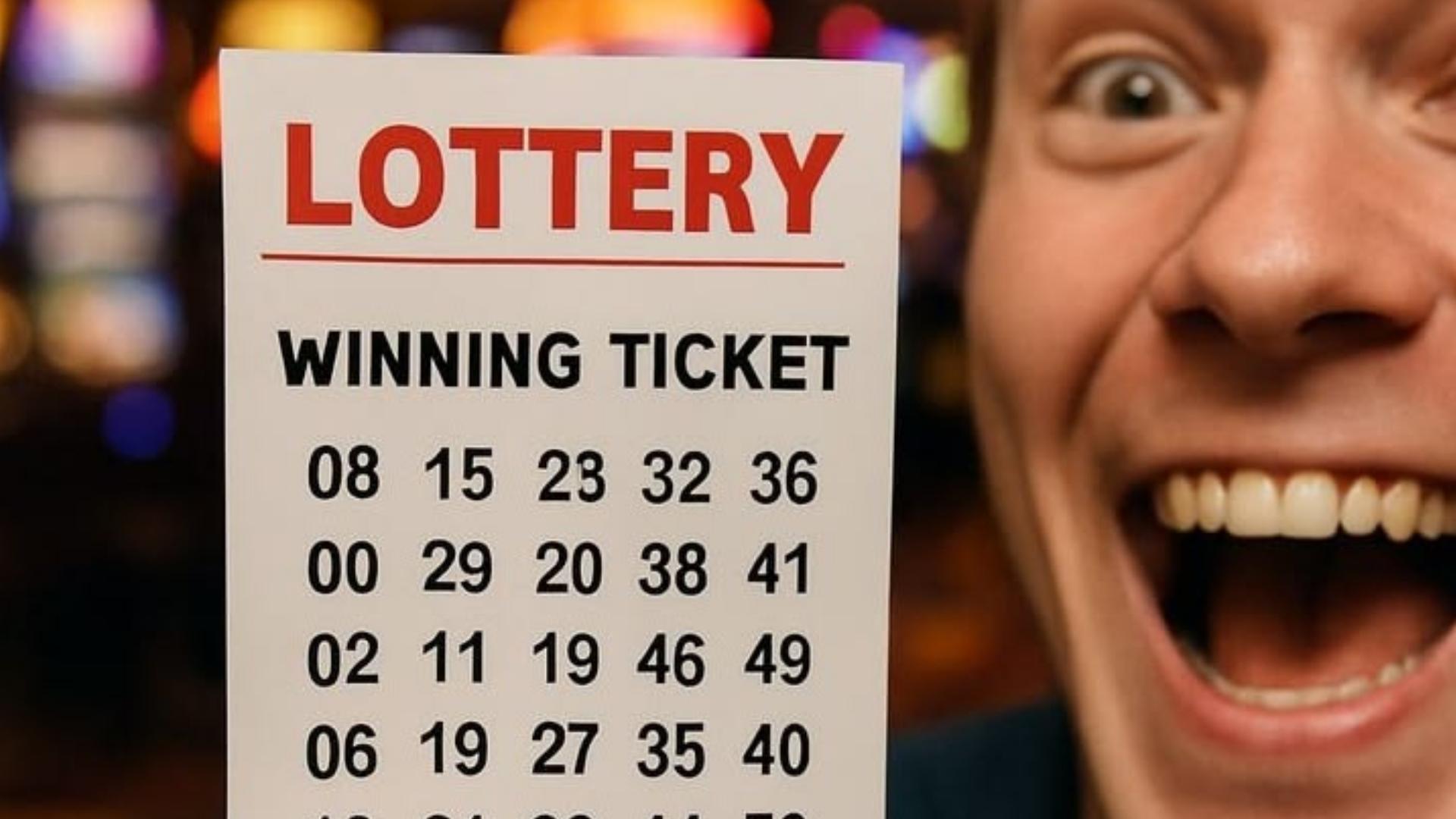
As machine learning technology advances into daily life, many gaming enthusiasts are curious about using artificial intelligence to pick lottery numbers. While predictive algorithms analyze vast historical datasets in seconds, understanding the true mathematical nature of random drawings remains crucial. Exploring how AI models process data offers a realistic look at modern prediction tools and their actual capabilities.
How Artificial Intelligence Analyzes Draw History
Machine learning models examine historical draw statistics to identify patterns, digit frequencies, and sequence distributions over time. By evaluating thousands of previous winning combinations, these algorithms attempt to map out numerical trends that human observers might overlook.
However, modern lottery systems utilize certified random number generators or mechanical draws designed to keep each event independent. Consequently, past draw outcomes have zero mathematical influence on future selections, regardless of how advanced the analytical software might be.
The Limits of Machine Learning in Random Events
Neural networks excel at recognizing complex patterns in structured data like financial markets or weather models. When applied to games of pure chance, AI algorithms can only calculate historical probability rather than predict definite future results.
While users often explore digital platforms like m88 for gaming entertainment, relying on AI to guarantee a lottery win misinterprets how probability works. Every valid number combination carries the exact same mathematical probability of being drawn in a fair game.
Practical Strategies for Utilizing AI Tools
Players who use artificial intelligence tools often do so to generate balanced number sets or avoid popular human selection biases. Algorithms can quickly produce combinations that avoid common patterns, such as consecutive digits or calendar dates, which helps prevent split jackpots.
Using technology in this manner focuses on strategic set generation rather than attempting to beat random odds. It allows participants to manage their tickets systematically without placing false expectations on predictive software.
Maintaining Responsible Expectations
Integrating artificial intelligence into lottery selection adds an intriguing digital layer to traditional draw games, but responsible play remains paramount. Viewing predictive algorithms as engaging computational tools rather than guaranteed winning solutions ensures a safer experience.
Ultimately, treating lottery purchases as light entertainment keeps the focus on fun while recognizing the mathematical realities of chance. No algorithm can alter the inherent odds embedded within randomized draw systems.